
Ecommerce SEO argued in margin, not traffic
Every paid order gives a slice back to the platform. Organic is the only line on your acquisition sheet that gets cheaper as it grows.
-
Scoped to your stage The problems at two hundred thousand in revenue and at five million are not the same, and neither is the plan.
-
Free shopping listings checked The feed setting, the product identifiers and whether your prices agree with your markup.
-
Fewer returns as a side effect Accurate specifications and real answers rank the page and reduce what comes back.
Free margin review
Send the store URL and roughly what you turn over. We will look at what is indexed, what the feed is doing and where the margin is going.
Request received!
Thanks! We have your request. Check your inbox within 48 hours for your written proposal. Nothing else needed from you.
Why store owners stop growing profitably
Three patterns, and all of them show up in the numbers before the traffic.
What your customers search before they buy
Category terms carry the demand. Product terms close the sale.
How an online purchase gets decided
Rarely in one session, and rarely on the page you expect.
The ecommerce year, and when the work must happen
Store work we have shipped
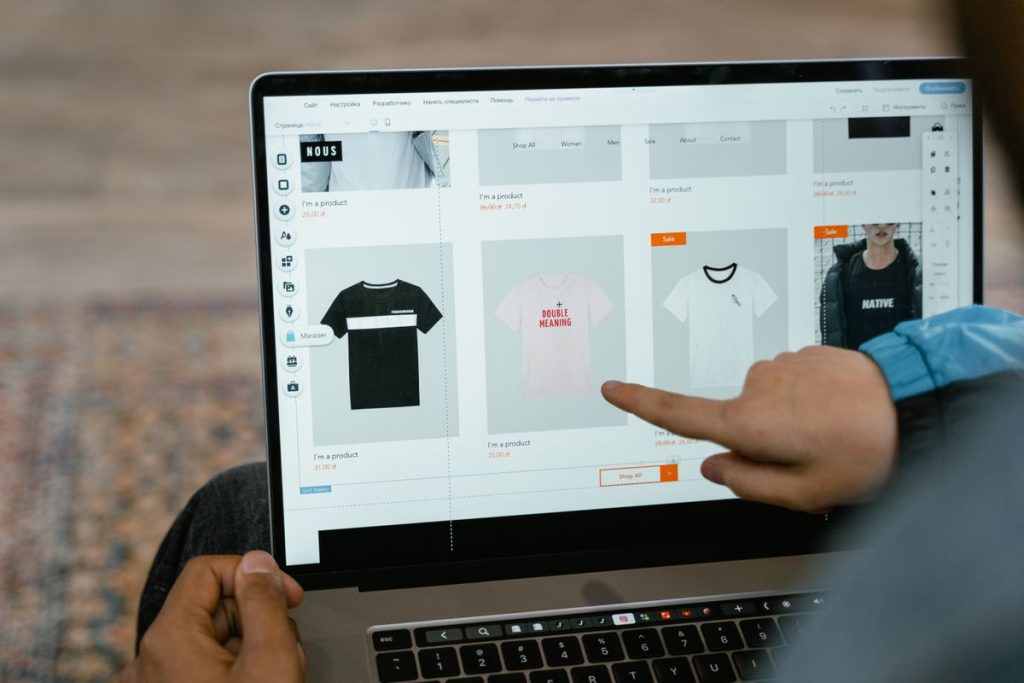
WooCommerce Online Store
Ecommerce SEO, indexing control and content funnels
Health & Wellness Brand
Topical authority, E-E-A-T and AEO in a YMYL nicheNot sure where your margin is going?
Send the store and your rough turnover. We will show you which acquisition costs organic could take over.
Who works on store growth

Bint E Hafsa
Hafsa works on ecommerce from inside the theme and the feed, which is where most of the real problems sit. Thin category pages, crawl waste and a product feed that disagrees with the site are all fixable in code, and they are fixed before anybody writes new content.
The argument is about the advertising line
Most store owners we talk to are not short of traffic. They are short of margin, because acquisition costs more every year and a meaningful slice of every order goes straight back to the platforms. Organic is the only channel that reduces that line rather than adding to it. Not immediately, and not for every product, but for a store with repeat purchase and a real catalogue it is the difference between growing revenue and growing profit.
What changes with the size of the store
Under a million in revenue, the problems are almost always basic: category pages with nothing on them, products that are not indexed, a theme carrying a dozen apps. Between one and five million, it becomes about which of your several thousand products deserve attention and how to stop the rest wasting crawl effort. Above that, it is international, brand defence and keeping a large catalogue from competing with itself. Advice aimed at the wrong stage is worse than no advice.
The free listings switch nobody checks
Products appear in Google shopping surfaces from your merchant feed, and free listings have to be switched on for that to include the unpaid placements. Plenty of stores running shopping ads are entirely absent from the free equivalents because the setting was never enabled, the identifiers are wrong, or the feed disagrees with the prices on the site. It takes an afternoon to check and it is one of the few genuinely quick wins left.
Your business model decides where the effort goes
A single brand selling its own products competes on brand and category terms. A retailer carrying other brands competes on product names and part numbers, and often against the brands themselves. A made to order business competes on questions rather than products. A subscription business barely competes on acquisition terms at all once retention is working. Same platform, different centre of gravity.
Better product pages return fewer parcels
This is the part nobody counts. Accurate specifications, honest photography, proper sizing guidance and answers to the questions people actually ask reduce returns, and in categories where a quarter of orders come back that is worth more than a modest lift in traffic. It is also exactly the content that makes a product page rank, which is a rare case of two goals pulling the same way.
Sometimes not, and we will tell you. Very low order values, pure impulse products and stores with no repeat purchase are often better served by paid for longer. Stores with a real catalogue and returning customers are the ones where organic changes the economics.
Technical and category work can move things within a couple of months. Content aimed at competitive buying terms is a six month arc. Anyone promising revenue in weeks is describing paid.
Partly. It usually means the traffic is arriving on the wrong pages for its intent, which is a keyword and architecture problem rather than a design one. It is worth diagnosing before anyone redesigns anything.
Yes, and the first job is usually deciding which ones deserve to be indexed at all. Large catalogues nearly always carry a long tail that absorbs crawl effort and returns nothing.
WooCommerce and Shopify mostly, and we have service pages for both. The stage and shape of your store matters far more than the platform.
They are already taking the informational half. What that means in practice is that product data quality, reviews and being the source that gets cited matter more, and thin listicle content matters less.
See where the margin is leaking
Send the store and roughly what you turn over. We will check indexation, category pages, the product feed and free listings, and tell you what we would fix first.
- What is indexed and what is wasting crawl effort
- Whether your free shopping listings are live
- The categories worth building out first
What happens next
- 1You send the store and rough turnover.
- 2We crawl it and inspect the feed.
- 3You get a ranked list of fixes within three days.
Get your free margin review
Indexation, categories and feed, checked by hand.
Request received!
Thanks! We have your request. Check your inbox within 48 hours for your written proposal. Nothing else needed from you.